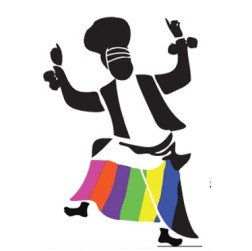











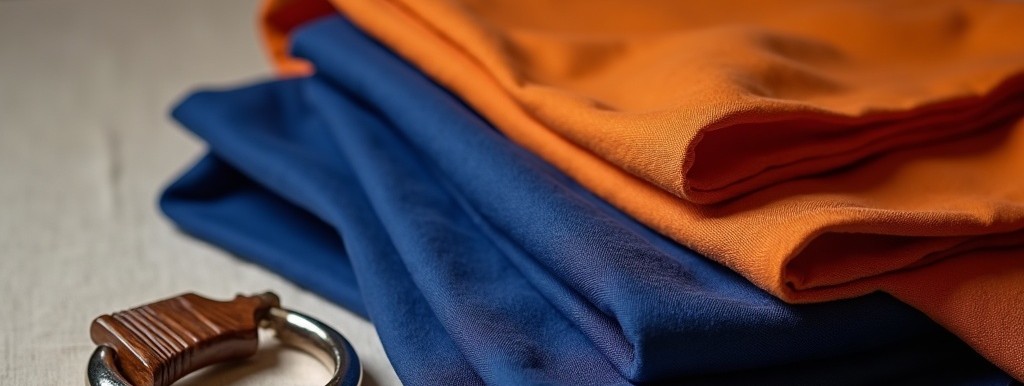
To a passer-by it may look like a length of cloth, carefully wound. To a Sikh, it is a crown — a daily, visible vow. The dastaar (turban) is one of the most recognised symbols of the Sikh faith, and one of the most misunderstood. This is a respectful look at what it really means, where it comes from, and why it is worn with such pride.
More than a head covering
For Sikhs, the dastaar is not a fashion choice or a cultural accessory that can be set aside. It is an article of faith, worn over kesh — uncut hair, one of the five sacred kakaars maintained by initiated Sikhs. The turban protects and honours the kesh, and together they express acceptance of life as the Creator made it.
To wear the dastaar is to be instantly identifiable — to stand, in public, as someone who has committed to a way of life. That visibility is the point. A Sikh cannot hide in a crowd, and is therefore accountable to act with courage, honesty and compassion.
A history of dignity and equality
In much of history, the turban was a marker of high status, reserved for royalty and nobility. The Sikh Gurus turned that idea on its head. By giving the dastaar to every Sikh — regardless of caste, wealth or birth — they declared that each person carries the dignity of a sovereign.
Guru Gobind Singh Ji, at the founding of the Khalsa in 1699, formalised the identity of the Sikh, the dastaar central to it. To crown the common person was a radical act of equality: no one is born lower; everyone wears a crown.
What the dastaar stands for
- Faith and commitment — a daily, deliberate act of devotion, not habit.
- Equality — a king's crown given to all, erasing hierarchy.
- Courage and responsibility — to be visible is to be accountable, and to stand up for the vulnerable.
- Self-respect and discipline — tied fresh each day, it asks for care and intention.
The act of tying it
Tying a dastaar is a small daily ceremony. The cloth — often five to seven metres — is folded, wound and shaped with practised hands. Many Sikhs describe the few quiet minutes of tying as meditative: a moment to centre oneself before stepping into the world. Styles vary by region, generation and personal taste, from the rounded Patiala Shahi to crisper, sharper folds, but the meaning beneath them is shared.
Carrying the dastaar with pride today
For Sikh youth — and especially for Sikhs growing up away from Punjab — the dastaar can be both a source of immense pride and, at times, a test. To tie it and step out is to represent a whole tradition. Communities around the world now mark days like Dastaar Day to celebrate it, educate others, and help young Sikhs wear their identity with confidence.
Understanding the turban is something everyone can do, Sikh or not. Recognising the dastaar for what it is — a crown of faith, equality and courage — is a simple act of respect.
Honouring the crown
At PunjabiCart, we hold deep respect for the dastaar and what it represents. From turban fabric to heritage pieces that celebrate Sikh identity, our collection is made for those who carry their faith with pride — and for families who want to pass that pride to the next generation.
Explore our turban and Sikh-heritage collection, and read its companion piece, "Dear Turban," on our blog.
Leave a Comment